
Geneva, Switzerland – September 9, 2026
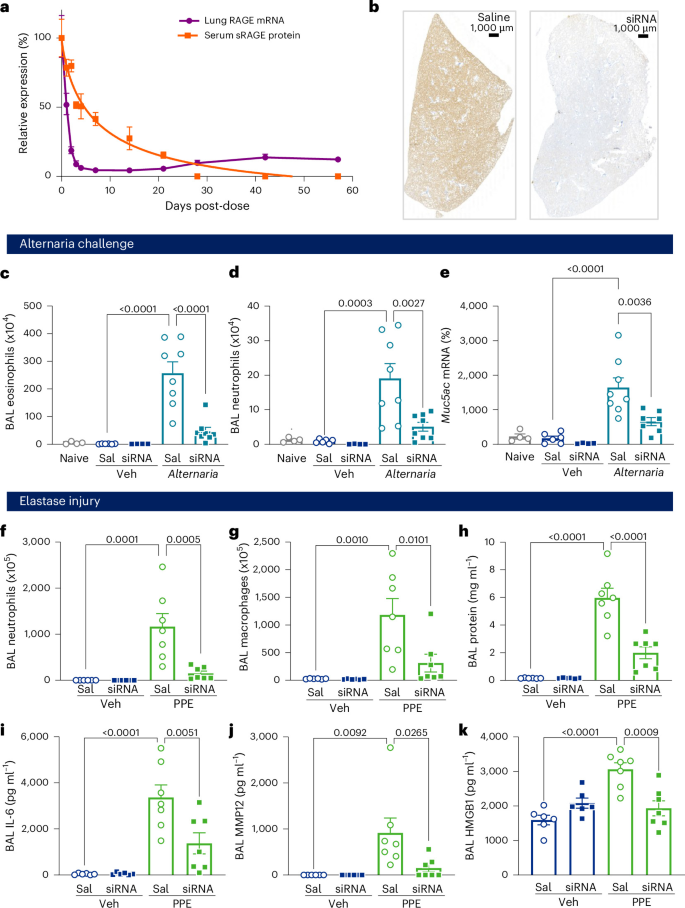
A first‑in‑human, double‑blind, placebo‑controlled trial of an inhaled small‑interfering RNA (siRNA) targeting the receptor for advanced glycation end‑products (RAGE) has shown that the therapy is safe, well‑tolerated, and achieves robust pulmonary gene silencing in both healthy volunteers and patients with asthma. The study, published today in Nature Medicine, marks the first clinical demonstration of inhaled RNA‑interference for chronic lung disease.
Study Design and Participants
The trial enrolled 58 healthy adults (14 % male) and 19 patients with mild‑to‑moderate T2‑high asthma (6 % male). Participants received a single ascending dose of the investigational siRNA, ARO‑RAGE, or placebo via a standard nebuliser. Primary endpoints were safety and tolerability; secondary endpoints included pharmacokinetics and pharmacodynamic markers of RAGE silencing.
"The absence of any clinically meaningful changes in pulmonary function, chest imaging, or systemic inflammatory markers reassures us that the inhaled siRNA is not provoking off‑target effects," said Dr Kate O’Brien, WHO Director of the Department of Immunization, Vaccines and Biologicals, and co‑author of the study.
Key Findings
- Safety: No dose‑limiting adverse events were observed. Mild throat irritation was the most common complaint, occurring in <5 % of participants.
- Target Engagement: Bronchoalveolar lavage fluid showed a dose‑dependent reduction in sRAGE, mirroring pre‑clinical results in rodents and non‑human primates.
- Systemic Exposure: Plasma concentrations of ARO‑RAGE remained below the limit of quantification, indicating minimal systemic bioavailability.
Implications for Asthma and COPD
RAGE amplifies innate immune signaling in the airway epithelium, contributing to the chronic inflammation that underlies asthma exacerbations and COPD flare‑ups. By dampening this pathway, ARO‑RAGE could reduce reliance on corticosteroids and improve disease control, especially in patients who are refractory to existing therapies.
The trial’s modest size precludes definitive efficacy conclusions, but the pharmacodynamic signal is strong enough to justify a larger phase 2b study powered for clinical endpoints such as exacerbation rate and lung‑function decline.
"If these early signals translate into clinical benefit, inhaled siRNA could become a game‑changing addition to the therapeutic armamentarium for chronic airway diseases," noted Prof Miguel Martinez, lead investigator at the Kintampo Health Research Centre, Ghana.
Next Steps
A multi‑center phase 2b trial is already planned across sites in Ghana, Kenya, Malawi, and the United States, targeting 400 participants with moderate‑to‑severe asthma and a parallel arm in COPD patients. The study will assess long‑term safety, dose optimisation, and clinical efficacy over a 12‑month period.
Sources
- O’Brien, K. et al. Inhaled siRNA therapy targeting RAGE for pulmonary inflammation: a first‑in‑human randomized trial. Nature Medicine (2026).
- ClinicalTrials.gov identifier NCT05276570.
- WHO News Release, September 2026.
FIRAT Editorial Board
Institutional Research Desk · Foresight Institute of Research and Translation
The collective editorial and research translation board of FIRAT, synthesising peer-reviewed evidence, policy briefs, and division milestones across our seven foundational research pillars.


