
New York City Schools Kick Off 2026‑27 Year with Back‑to‑School Day
New York, NY – September 10, 2026
On Thursday, September 10, 2026, New York City public schools welcomed students back for the first day of the 2026‑27 school year. The Department of Education (DOE) rolled out a multi‑layered initiative that combined health safeguards, digital resources, and a city‑wide “Back‑to‑School Checklist” to help families start the year on solid footing.
Context & Significance
The 2026‑27 school year begins nearly a week later than the 2025‑26 start, a decision made to accommodate lingering pandemic‑related disruptions and to give families extra time to complete required health forms. The DOE’s back‑to‑school communication strategy is notable for its multilingual outreach (the website offers content in 12 languages) and its integration of digital health records through the NYCSA portal.
Key Elements of the Initiative
1. NYCSA Account Activation
Parents were urged to create or update their NYCSA accounts before September 10. The portal now displays real‑time attendance, health‑screening status, and a personalized “Back‑to‑School Checklist.”
"We will welcome students back to New York City public schools for the first day of the 2026‑27 school year," the DOE press release states, underscoring the department’s commitment to a coordinated, city‑wide rollout.
2. Health & Safety Protocols
- Medication and health forms must be submitted online via NYCSA.
- Immunization records are verified through a new digital dashboard.
- Free masks are distributed to all students in grades K‑12, with a mandatory mask policy for indoor spaces.
3. Digital Learning Support
The Department highlighted AI‑enhanced tutoring tools and a digital learning hotline for families lacking reliable internet access. Partnerships with local libraries and community centers provide free Wi‑Fi hotspots.
4. Transportation & Commute Planning
A dedicated NYC School Transportation Guide outlines subway, bus, and yellow‑bus routes, and introduces the NYC School Bus App for real‑time tracking.
5. Community Engagement
The launch featured a student‑heart illustration that became the de‑facto visual for the campaign:
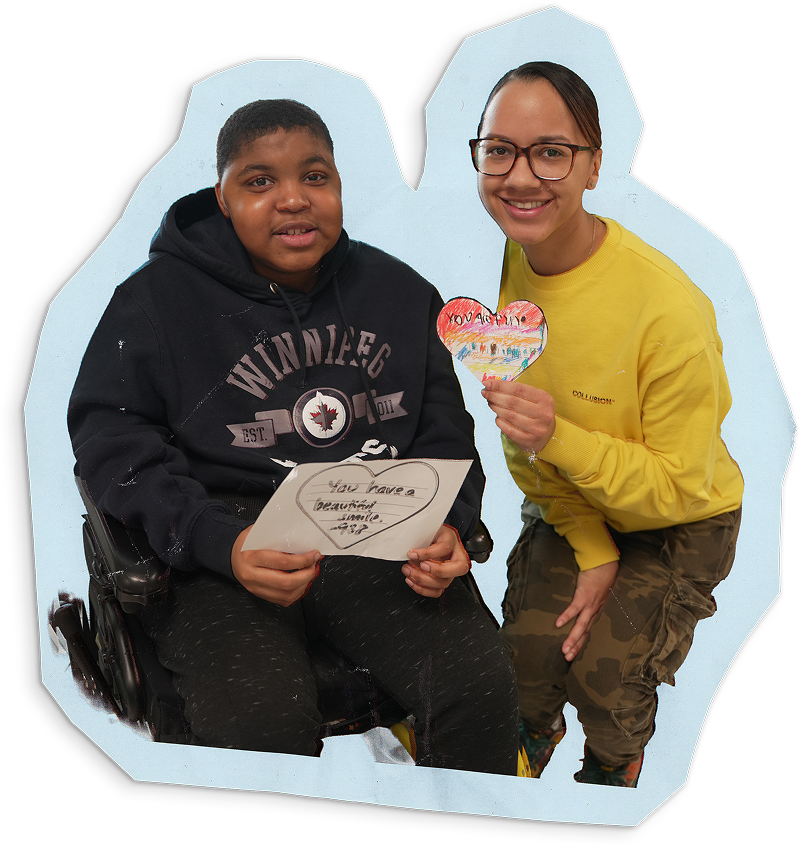
The image appears on the Department’s homepage and in the Back‑to‑School Checklist PDF, reinforcing the message of care and community.
Implications for Training, Education, and Development
The NYC DOE’s approach blends policy, technology, and community outreach in a way that aligns with the TED (Training, Education, and Development) division’s focus on systemic learning improvements. By:
- Centralizing health data in NYCSA, schools can quickly identify at‑risk students and allocate resources.
- Providing AI‑driven tutoring resources, the district addresses learning gaps exacerbated by pandemic‑related disruptions.
- Offering multilingual, mobile‑first communication, the initiative improves equity for non‑English‑speaking families.
These measures collectively raise the baseline of educational readiness for a city of over one million public‑school students, setting a benchmark for other districts nationwide.
Sources
- New York City Department of Education, “Back to School – September 10, 2026,” (accessed Sep 11, 2026).
- Yahoo News, “NYC Public Schools: Important dates in September,” (published Aug 27, 2026).
FIRAT Editorial Board
Institutional Research Desk · Foresight Institute of Research and Translation
The collective editorial and research translation board of FIRAT, synthesising peer-reviewed evidence, policy briefs, and division milestones across our seven foundational research pillars.
